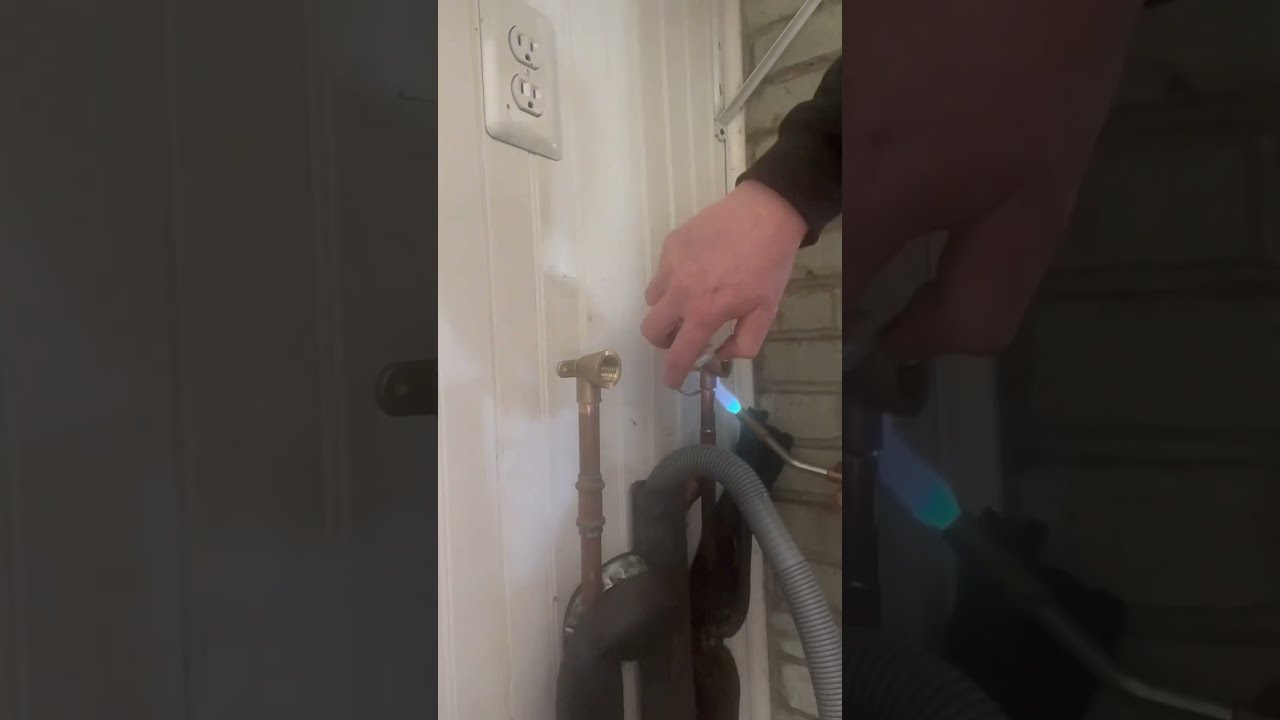
Although performing repairs is not as exciting as watching HGTV renovations, it is essential to being a homeowner and protecting your investment. Fortunately, there are a variety of ways to save money on home repairs. Learn to DIY when possible and look for bargains and discounts, and use high-quality products and materials. These tips will make it easier to maintain your home without breaking the bank. 1. Shop Around Repairs can be costly and can be difficult to budget. Even homes that are maintained well can face issues that require expensive repairs. It's crucial to plan ahead and protect yourself with homeowner insurance. It's always wise to check prices. You can also look at the resale shops for items can be used for repairs and upgrade. Also, research online for contractors who offer discounts during the slow season. It is also important to select items and materials that are high quality. This may cost more upfront but will cost less over the long term by not needing to replace the items as often. It is also possible to look into the government-funded financial aid if you require assistance in covering the costs of an extensive repair or remodel. Examples include 203(k) Rehabilitation Mortgage Insurance Program and Section 504 Home Repair Loans. 2. Do it Yourself Even though it is always more beneficial to hire professionals for more intricate renovations, it is possible to are able to tackle many small repairs yourself. For example, changing a light bulb or cleaning out your dryer vent on a regular basis can prevent more costly problems in the future. You can reduce your expenses by learning basic home improvement methods. It may also be a great hobby. It is possible that you will find your family and friends turn to you for help when they have a home project effective plumbing tips to complete if you are a natural DIYer. Always be cautious before undertaking a project requiring the use of hazardous equipment or putting your safety in danger. Some tasks should be handled by experts like installing gas lines or electrical wiring. Incorrect work can result in serious injuries or even damage. This is the reason it is considered that homeowners' warranties are worth it at every cost. It offers security in the event that something does need to be repaired. Be sure that your plan will cover the items you want to have repaired. 3. Find the perfect contractor It's important to select the most suitable contractor when it comes to home repairs. A reputable contractor will offer you a fair price and complete the work in a timely manner the first time around. When choosing a contractor, look for one who is licensed and insured. You'll be protected against scams, and the work completed will be of the highest quality. You can also check reviews on the internet and ask for references. It is important to read the contract to understand the terms of the contract and how much you will be charged. Don't forget to be wary those who try to get you to sign a contract or requesting cash payment. If they're doing this, then they're not a reputable contractor and are trying to profit from you. 4. As soon as you realize an issue, you must take action. There are ways to reduce the cost of home repairs. It is possible to save money by shopping around, taking advantage of discounts and coupons, and taking care of problems as soon as you discover these. Also, you should look for ways to reduce costs for home improvements, such as choosing a less expensive brand of paint or doing a patchwork instead of the full-on renovation. You can also take advantage of financing options to assist you in financing home repairs, including mortgage refinancing or personal loans. Some specialists recommend homeowners to set aside 1 to 2% of the cost of buying their home annually for maintenance costs, like sewer repairs and roof repairs. But, it might not be realistic to work in that much money into your monthly budget. If that's the case you might want to consider setting up a bank account that you can fund with automated monthly transfers.